Can a mini split heat a basement in a Wyoming winter

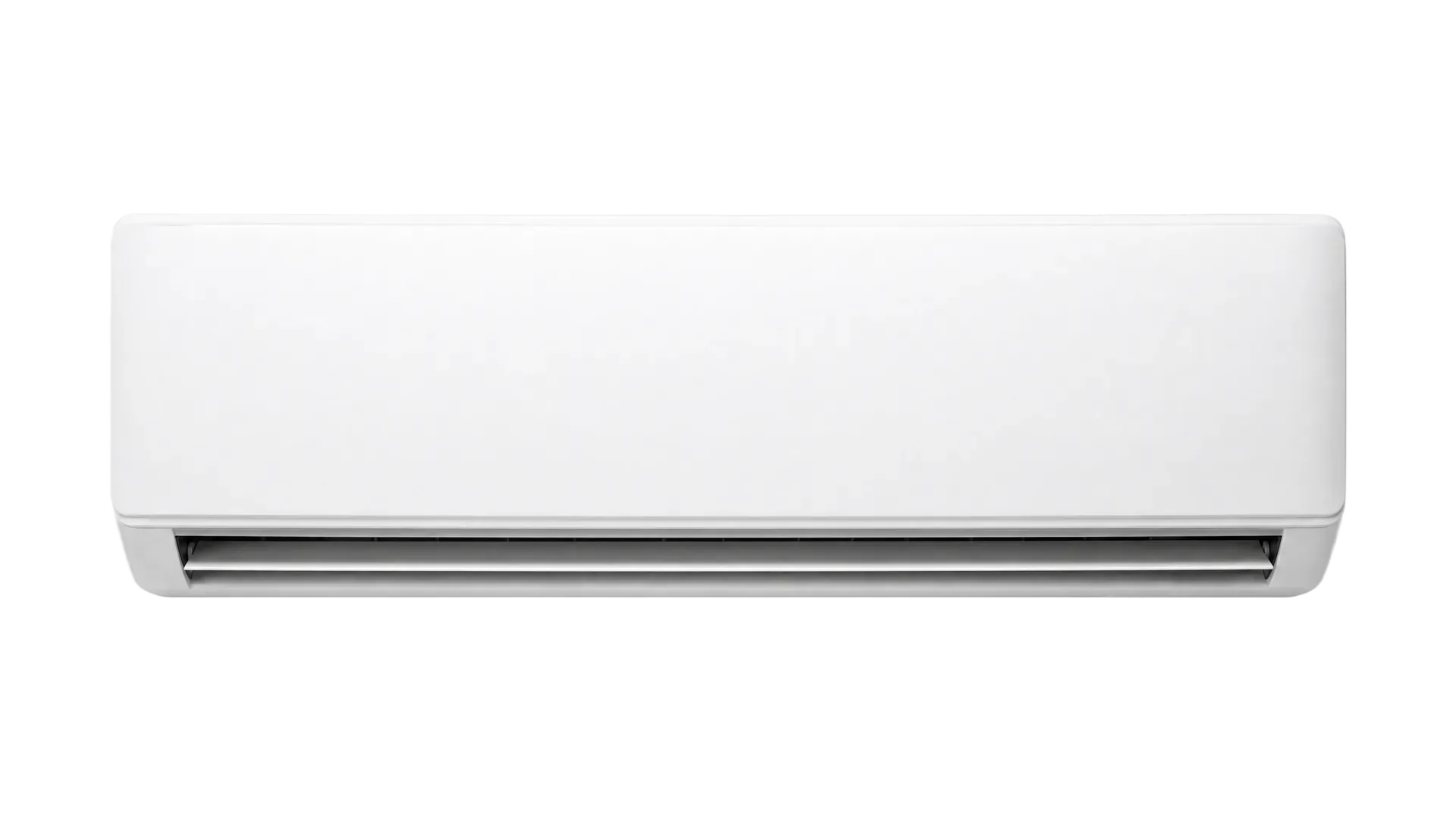
A white wall-mounted mini-split air conditioner indoor unit with a horizontal louvered air outlet, shown against a plain light gray background.
Skip calling around

A mini split can heat a basement through a Wyoming winter, but most units lose capacity once outdoor temperatures drop into the single digits or below zero, and Wyoming sees stretches like that most winters. A basement also stays cooler to begin with, since it sits below grade and gets less heat drift from the rest of the house. The mini split has to work harder down there just to hold a comfortable temperature. Cold climate models are built for this, with a compressor that keeps producing heat well below zero, and that's the difference between a basement that stays warm in January and one that doesn't. The model matters more than the brand name on it. Sizing matters too: a unit too small for the space will run constantly and still fall short on the coldest nights. Whether yours can do the job depends on which unit is down there and how the basement is laid out.

A gray-haired bearded man in a dark knit sweater sits on a light gray sofa in a sunlit living room, looking to his left, with a framed artwork, a potted palm, and a curtained glass door behind him.
A middle-aged man in a dark green sweater sits on a light grey sofa looking toward a sunlit window, with a wooden shelving unit, lamp and potted plants in the background.
A man in a dark green sweater sits on a light grey sofa in a sunlit living room, looking to his left, with a shelving unit, houseplants, framed art and a large window behind him.
A gray-haired bearded man in a dark green sweater sits on a light gray sofa in a sunlit living room with a potted plant, framed picture, and dark shelving in the background.

A mini split rated for cold climates runs a second injection cycle that pushes extra refrigerant into the compressor once temperatures drop well below zero. That cycle is what keeps heat coming out of the indoor head instead of just running the compressor harder for less result. Outside, the unit needs a way to shed ice, usually a base pan heater, so the coil doesn't frost over and choke off airflow during a long stretch of cold. Where that outdoor unit sits matters too. It needs room to breathe, clear of snow drift piling up against it or runoff freezing over the coil. Inside the basement, the coldest air sits low, near the floor, so the indoor head usually goes higher on the wall than you'd expect, to actually move that air instead of blowing past it. Sizing the unit means looking past square footage to the ground around the basement, which holds a steady cold that a room upstairs doesn't deal with. For most homes here, that basement unit is handling one room, while the furnace upstairs covers the rest of the house.

How a cold climate mini split holds up

  • A cold climate mini split uses a secondary injection cycle that feeds extra refrigerant into the compressor to keep heat output up when it's well below zero outside.
  • The outdoor unit has a base pan heater or similar defrost strategy so ice doesn't build up and block airflow across the coil during a long cold snap.
  • Basement installs often call for mounting the indoor head higher on the wall, since the coldest air in the room settles and pools near the floor.
  • Sizing a mini split for a basement means accounting for the ground around it holding steady cold, not just the square footage of the room.
  • The outdoor unit still needs clearance from snow drift and roof runoff, since a buried or iced-over condenser can't pull in the air it needs to work.
  • Most basements in Wyoming lean on a gas furnace upstairs, so a mini split down there is usually asked to handle one room, not the whole heating load.
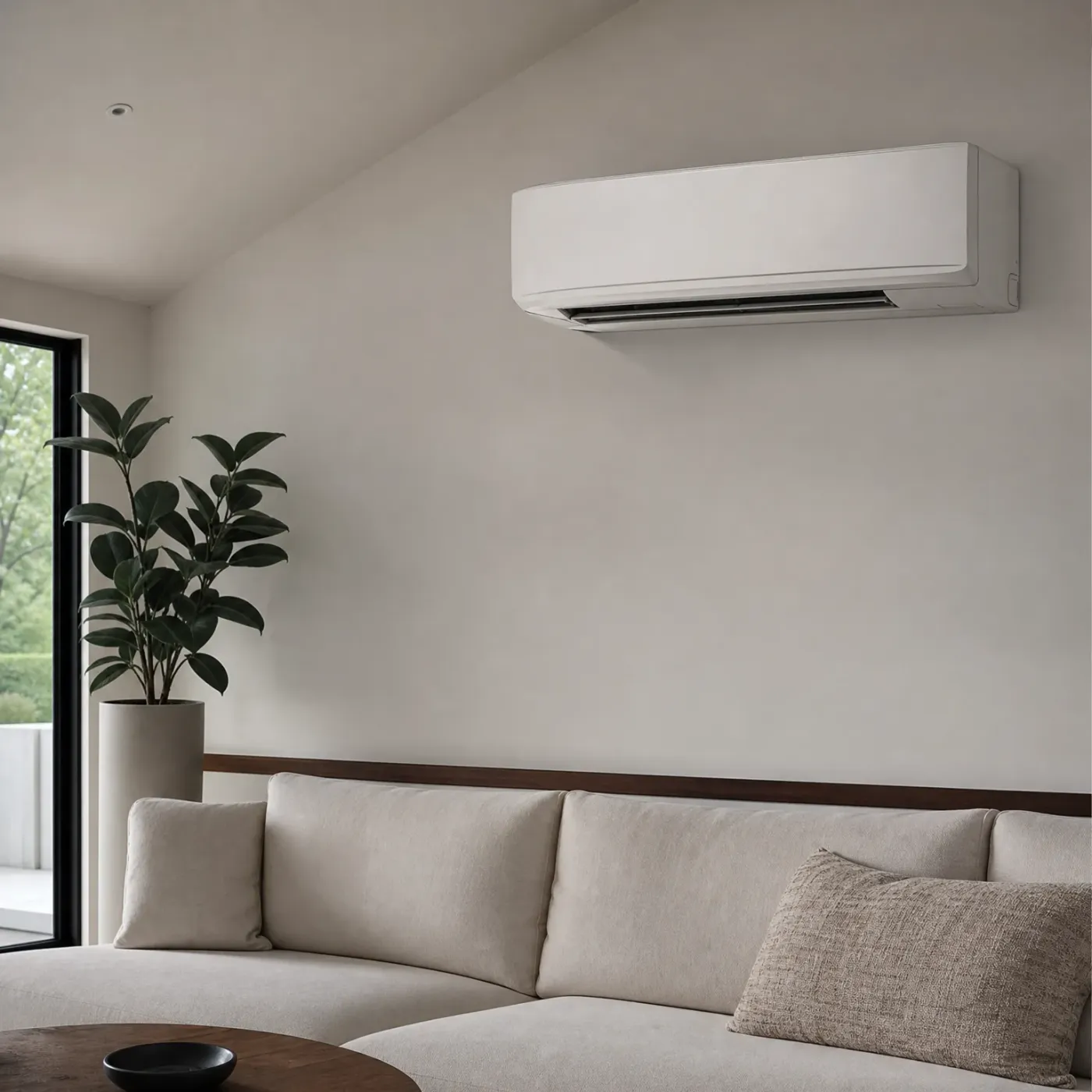
A white wall-mounted mini-split air conditioner installed near the ceiling on a plain beige interior wall.
Sized and installed right, a mini split keeps pulling heat out of a Wyoming winter even when the basement is the coldest room in the house.
A dusty, discolored wall-mounted mini-split air conditioner unit near the ceiling of a plain beige interior wall.
Left to run without service, a mini split loses capacity early and can't keep up once temperatures drop below zero.
  1. A load calculation sizes the unit to your basement's square footage and walls.

  2. The installer picks a cold climate model rated to hold capacity below zero.

  3. The outdoor unit gets mounted clear of snow drift and roof runoff.

  4. Refrigerant lines run through the wall to the indoor head in the basement.

Why does my mini split struggle to heat the basement when it's below zero outside

You notice the basement never quite gets warm on the nights when it's below zero outside, even though the mini split runs nonstop. You're trying to figure out if something's wrong with the unit or if this is just how it behaves in weather like that.

A standard mini split loses heating capacity as it gets colder, and below zero it may only put out half what it does at 20 degrees

A mini split pulls heat from outside air and moves it inside. The colder that air gets, the less heat there is to pull, so the compressor has to work harder for less output. A standard unit can lose a large share of its rated capacity by the time it's below zero, which is exactly when a Wyoming basement needs the most heat. A cold climate model is built to hold more of its output in that range, using a compressor designed to keep working at low temperatures instead of falling off. If your unit struggles on those nights, it may be sized or rated for milder weather than what your basement sees most winters.

A wall-mounted mini-split air conditioner indoor unit with a discolored cream plastic casing and dusty outlet vanes, installed high on a plain light-colored interior wall near the ceiling.
Before you get your mini split installation
A white wall-mounted mini-split air conditioner installed high on a beige interior wall near the ceiling molding, with a light curtain and curtain rod at the left edge.
After you get your mini split installation
A white wall-mounted mini-split air conditioner near the sloped ceiling of a living room with a light sectional sofa, cushions, a potted plant, and a window showing greenery.

Explain it one time

One installer gets your project, so there's no bidding war over it.

Describe the project once instead of to every installer.

Fill out one form

No fee to send it, and nothing to sign.

Why is the basement still cold when the mini split is running nonstop

You've got the mini split set where it should keep up, and it's running most of the day, but the basement still feels cooler than the rest of the house. Maybe there's a draft near the rim joist or the old window well. Maybe the unit short cycles, or the air coming off the indoor head feels lukewarm instead of warm. On the coldest nights, the thermostat reading and how the room actually feels start to pull apart. Left alone through a Wyoming winter, that gap usually doesn't close on its own. A basement that can't hold heat stays damp longer, and pipes running through an unheated corner are the first thing to worry about once temperatures sit below zero for days at a time.

A white wall-mounted mini-split air conditioner unit installed high on a light gray interior wall near the ceiling, with a white-framed window and green foliage visible at the left edge.

Installed right, sized right

A clean mini split like this one pulls its air from inside the room and the coil stays clear, so it moves heat the way it was designed to. An installer who works on these every winter in Wyoming knows where to mount the outdoor unit and which model still holds capacity below zero.

A dusty white wall-mounted mini-split air conditioner installed high on a beige interior wall below a molded ceiling trim.

Neglected, it falls behind

Dust packed into the vents and a dirty filter choke the airflow, so the unit works harder for less heat. Once that buildup sets in, a basement that was already the coldest room in the house is the first place you'll feel it fall behind.

Power costs 13.37 cents per kilowatt-hour statewide

At 13.37 cents per kilowatt-hour, running a mini split through a Wyoming winter costs less here than in most states. With gas heat common across the state, the basement unit will likely run alongside your furnace, and cheap power keeps that extra draw from showing up much on the bill.

EIA-861 2025 statewide residential average

Can It Hold Up Through Winter

  • A mini split can keep a Wyoming basement warm all winter if it's a cold climate model sized to that space.
  • Capacity drops once outdoor temperatures fall below zero, which happens most winters somewhere in the state.
  • A basement starts out cooler than the rest of the house, so the unit has more ground to make up.
  • Correct sizing, correct mounting away from snow and runoff, and seasonal service decide whether the unit keeps pace in January.
  • A unit installed without a load calculation or left without service loses capacity earlier than it should.
  • Cheap power here means running the mini split alongside a gas furnace costs less than it would in most other states.

A mini split can heat a Wyoming basement, but whether it holds up through January comes down to choices made before it ever turns on. A cold climate model sized to the basement's square footage and walls has a real shot at keeping pace, even on the nights the state drops below zero. A unit picked without that sizing work, or mounted where snow drift or roof runoff can reach it, starts losing ground earlier than it should. The basement itself is working against the unit a little. It starts out cooler than the rooms above it, so there's more distance to close before it feels warm, and that gap shows up fastest on the coldest nights. Seasonal service matters here too. A unit that gets looked at each year keeps its capacity longer than one left to run on its own. None of this makes the basement hard to heat. It makes the installation the part worth getting right, since the unit's performance in February was decided back when it was sized and mounted. Power here is cheap, so running the mini split alongside a gas furnace during a cold stretch doesn't add much to the bill. The equipment can do the job. Whether it does comes down to the sizing, the mounting, and whether someone checks on it before winter asks the most of it.

A woman with shoulder-length graying brown hair in a cream knit cardigan sits in a dark armchair indoors, looking off to the side with a slight smile, with a shelf, window and houseplant blurred behind her.
A woman with dark hair in a bun sits wrapped in a chunky knit blanket on a couch with a child resting his head on her shoulder, eyes closed, beside a lit lamp and bookshelf indoors.

Mini Split Installation

No quotes to chase

Your request stays with one local pro.

A black smartphone standing upright against a plain light gray background, its screen filled with solid green.
Step 1 of 3: Equipment