


Is a cold-climate mini split worth it in Wyoming

A white wall-mounted mini-split air conditioner indoor unit shown straight-on against a plain light gray background.
Find my pro

A cold-climate mini split is worth it in Wyoming. It holds its heat output down into single digits and below zero, which a standard heat pump can't do, and that matters here where winter nights drop well past what a regular system can handle. Most homes in Wyoming heat with gas, so a mini split usually isn't replacing a furnace outright. It works alongside it, or covers a room or addition the furnace doesn't reach well. Summers here are hot and dry, and the same unit handles that cooling load without strain. Since power is cheap in Wyoming, running the mini split on the coldest days costs less here than it would somewhere with high electric rates, so you're not paying a penalty for leaning on it when temperatures fall. The real question isn't whether the technology works in this cold. It does. It's whether your install was sized and placed to actually deliver that performance.

A woman with long gray hair wrapped in a checked blanket sits on a sofa by a window with yellow autumn foliage outside, with a lamp, framed picture and plant in the background.
An older woman in a cream knit sweater sits on a sofa by a window, looking out at sunlit trees with yellow and orange autumn leaves, with a bookshelf and lamp behind her.
A woman with gray shoulder-length hair in a dark knit sweater sits on a cushioned seat by a window, looking out at yellow autumn foliage, with a living room, armchair, houseplant and framed picture behind her.
An older woman with gray hair in a bun, wearing a cream knit sweater, sits on a sofa with a gray blanket and looks out a large window toward yellow-green autumn trees, with a lit table lamp and dark armchair behind her.

A cold-climate mini split keeps pulling full heat even as the compressor works against outdoor air far below freezing, down past zero, without switching over to electric strip heat the way a standard heat pump does.

That matters next to gas, which still handles most of the heating load here. A mini split placed in the right room earns its keep by taking over the hours when that furnace would otherwise be cycling hardest.

A dusty, discolored wall-mounted mini-split air conditioner unit near the ceiling of a plain beige interior wall.
Before you get your mini split installation
A white wall-mounted mini-split air conditioner installed near the ceiling on a plain beige interior wall.
After you get your mini split installation

The compressor is the part that makes this different from a regular heat pump. Instead of switching on at full power and shutting off, it ramps its speed up and down to match what the room needs, the same way your car's engine doesn't run at one fixed RPM. When outdoor air drops below freezing, frost builds on the outdoor coil, so the system briefly reverses itself to melt it off, then goes right back to heating. Inside, the sensor in the wall or ceiling head is reading the room the whole time, which lets the compressor make small adjustments instead of waiting until the room has drifted a few degrees off target. That same variable speed is what keeps it from short cycling on a mild afternoon. None of this works if the line set running between the outdoor unit and the indoor head isn't sized and insulated right for the distance it covers. Some cold-climate models also add a vapor injection circuit inside the compressor, which gives the system extra heating capacity specifically when it's working hardest against the cold.

How a Cold-Climate Mini Split Works

  • A cold-climate mini split uses an inverter-driven compressor that ramps its speed up and down instead of cycling on and off like a gas furnace burner.
  • Below freezing, the outdoor unit runs a defrost cycle that briefly reverses and melts any frost off the coil before switching back to heating.
  • The indoor head's thermostat sensor reads room temperature continuously, so the compressor adjusts speed in small steps rather than waiting for a big swing.
  • A variable-speed compressor can scale output down low enough to avoid the short, inefficient on off cycling that a fixed-speed unit falls into on mild days.
  • The refrigerant line set carries heat between the outdoor and indoor units, so it has to be sized and insulated correctly for the distance run.
  • Some cold-climate systems add a vapor injection circuit in the compressor that boosts heating capacity specifically when outdoor temperatures drop hard.
A white wall-mounted mini-split air conditioner installed high on a beige interior wall near the ceiling molding, with a light curtain and curtain rod at the left edge.
A mini split running right heats and cools without strain, holding its set temperature even when a Wyoming cold snap or a dry summer afternoon pushes hard against it.
A wall-mounted mini-split air conditioner indoor unit with a discolored cream plastic casing and dusty outlet vanes, installed high on a plain light-colored interior wall near the ceiling.
A mini split past its years struggles to keep up, the casing yellowed with age, and starts costing you in comfort before it costs you in repairs.
  1. Indoor thermostat signal tells the compressor how much heat or cold to produce.

  2. The inverter compressor ramps speed up or down to match the load.

  3. Refrigerant carries heat between the outdoor and indoor units through the line set.

  4. Below freezing, the outdoor unit briefly defrosts to clear frost from its coil.

A woman in a cream knit sweater sits in an armchair with her eyes closed and a slight smile, beside an open window showing orange autumn foliage, with a mug, books and a lit candle on a small side table.
An older man with gray hair and a beard leans back on a beige sofa with his eyes closed, in a sunlit room with potted plants, a wicker chair and large windows behind him.

The right pro for this job

Once you send the form, finding a pro is off your list.

No charge to send it. You decide if you hire them.

What you'd feel in January

With a cold-climate mini split, the room it heats stays even through a hard freeze, no cold blast when the compressor kicks back on, no corner that stays chilly while the thermostat reads fine. If yours is sized and installed right for your house, it keeps producing heat while your gas furnace, if you still run one, carries the rest of the load. Skip the cold-climate version or get the sizing wrong, and you'll notice it exactly when a front comes through and the temperature falls out from under zero.
What it does to your bill

Power is cheap here, and that's what makes a mini split worth running hard rather than babying. You can lean on it for most of your heating and cooling without the bill swinging the way it would somewhere power costs more. Where it costs you is upfront, in getting the unit sized for your house and the installation done right, since an oversized or undersized system never runs efficiently no matter how cheap the electricity behind it is.

Power costs 13.37 cents per kilowatt-hour statewide

At 13.37 cents a kilowatt-hour, running your mini split in Wyoming costs less than it would in most states. Gas still heats the coldest stretch cheaper, but on mild days and all summer, that low rate keeps your electric bill from climbing much even with the compressor working hard.

EIA-861 2025 statewide residential average

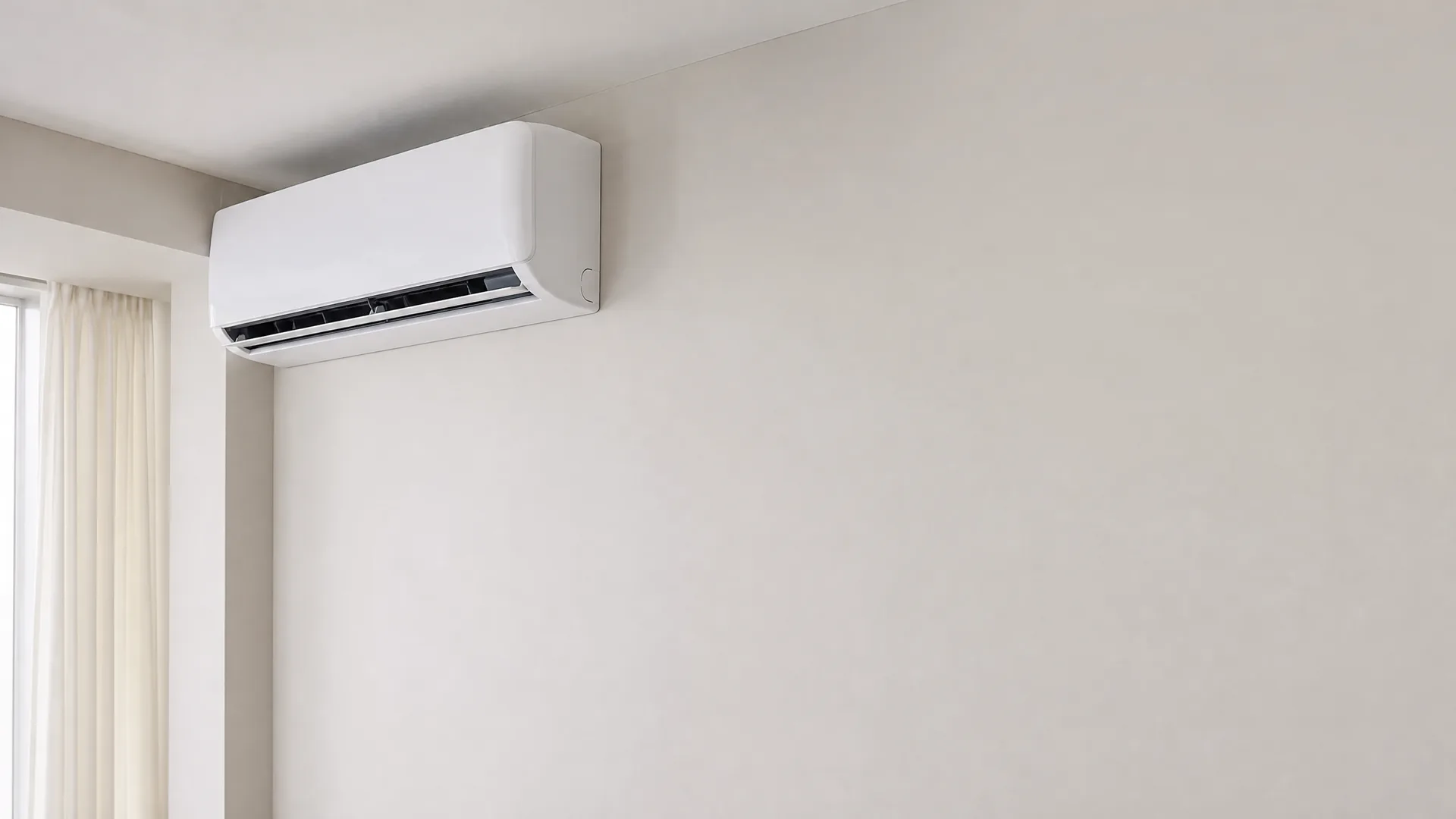
A white wall-mounted mini-split air conditioner near the ceiling of a room with plain beige walls and a pale curtain at the left edge.

Running it alongside your furnace

Most homes in Wyoming heat with gas, and a mini split doesn't have to replace that. On the mild shoulder days in fall and spring, it can carry the house on its own and let the furnace sit idle. Once temperatures fall hard, the furnace takes over and the mini split works less or shuts off. You get to choose which one runs based on what's actually outside, instead of one system doing all the work year round.

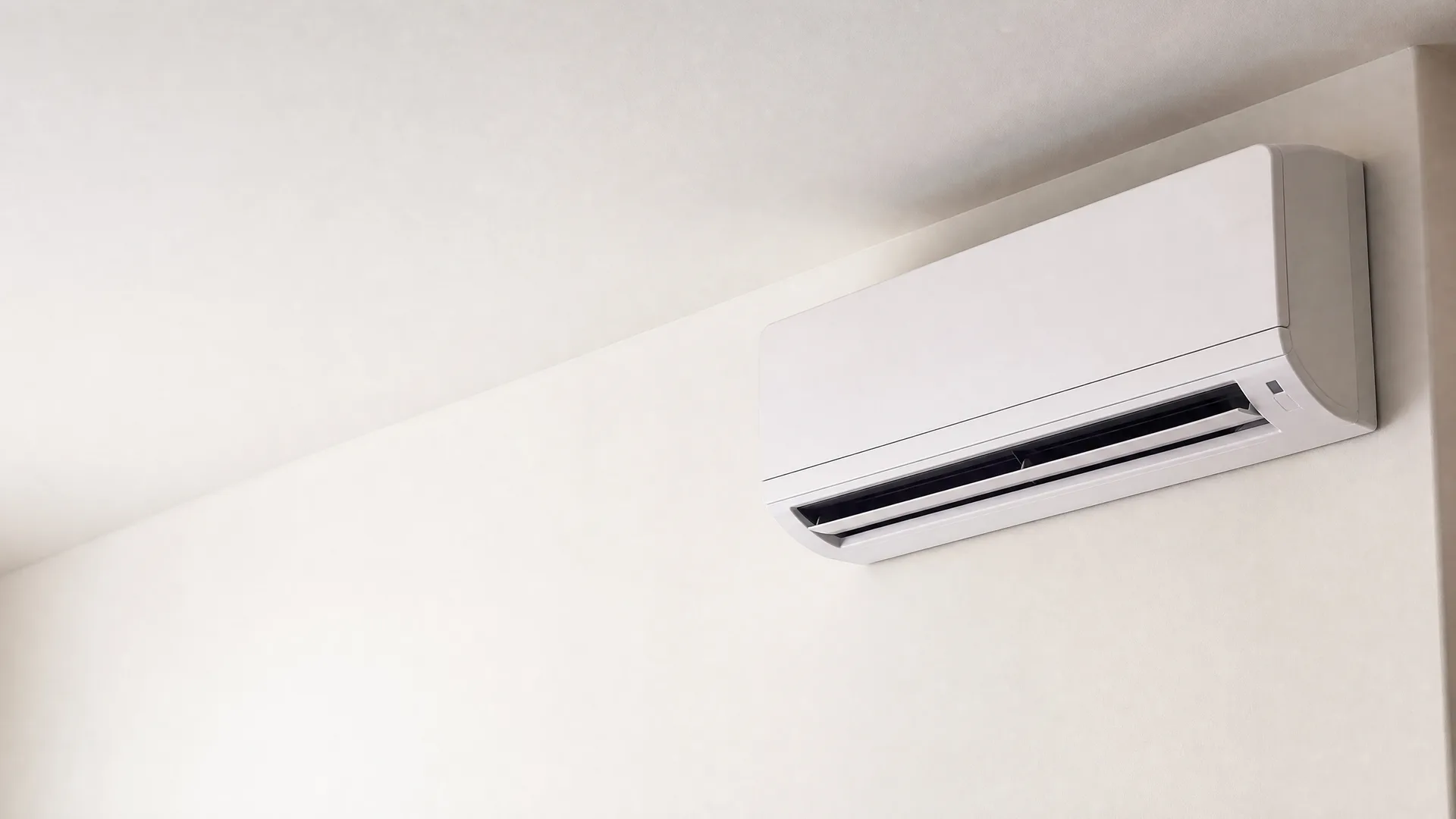
A white wall-mounted mini-split air conditioner indoor unit installed near the ceiling on a plain off-white interior wall.

Running it on its own

Some homes lean on the mini split for everything, heat and cooling both, with no furnace backing it up. A cold-climate unit can do that here, since it keeps producing heat well below zero. What it asks of you is sizing it for the coldest nights you actually get, not just an average one. Undersized for the house, it runs flat out in January and still loses ground. Sized right, it holds the room through a hard freeze without help.

What are you noticing with your mini split right now

Maybe nothing yet, and you're just checking before a hard freeze hits. But if the indoor unit is running loud, or the room it serves takes longer to warm up than it used to, that's worth a look before winter settles in. A unit icing over on the outside and not clearing itself between cycles isn't defrosting right, and that gets worse as outdoor temperatures drop further. If it's blowing air that's barely warm against a cold Wyoming night, the compressor may already be struggling to keep up, and running it that way through a deep cold snap can leave the room it heats without backup once your furnace alone can't make up the difference.

A white wall-mounted mini-split air conditioner unit installed high on a light gray interior wall near the ceiling, with a white-framed window and green foliage visible at the left edge.

Working the way it should

The indoor unit sits quiet against the wall, casing clean, filter unclogged behind the panel. Air moves out even and steady, no rattle from the fan, no ice creeping up the line set outside. This is what lets it hold its output through a hard freeze.

A dusty white wall-mounted mini-split air conditioner installed high on a beige interior wall below a molded ceiling trim.

Running past its years

Dust and grime cake the casing, and the filter behind the open panel is gray with buildup. A unit in this shape pulls harder for the same heat, and in a Wyoming winter that strain shows up fast, right when you need it most.

A woman in a cream cardigan and jeans stands with one hand raised facing an open front door of a gray horizontal-siding house, with a black lantern wall light, a potted shrub with yellow flowers, and a stone-faced porch column.

A cold-climate mini split holds up in Wyoming

A cold-climate mini split earns its keep here. It heats through a hard freeze without falling back on strip heat, it cools a dry summer afternoon without strain, and it sits next to your gas furnace doing the mild days cheap on power that costs less here than in most states. That's the answer, plain. Whether it's worth it for your house comes down to how it was sized and installed, and that's not something to guess at.

If you're still deciding, or you already know something's off with the one you have, the next step is the same. Get matched with a contractor who works on these systems and knows what a Wyoming winter asks of them. They'll look at your place, your ductwork or lack of it, and your furnace setup, and tell you straight what fits.

A living room corner with a light beige sofa holding a textured taupe cushion, a large ceramic vase of olive branches by a window, a framed neutral artwork on the wall, and a dark bowl with stacked books in the foreground.
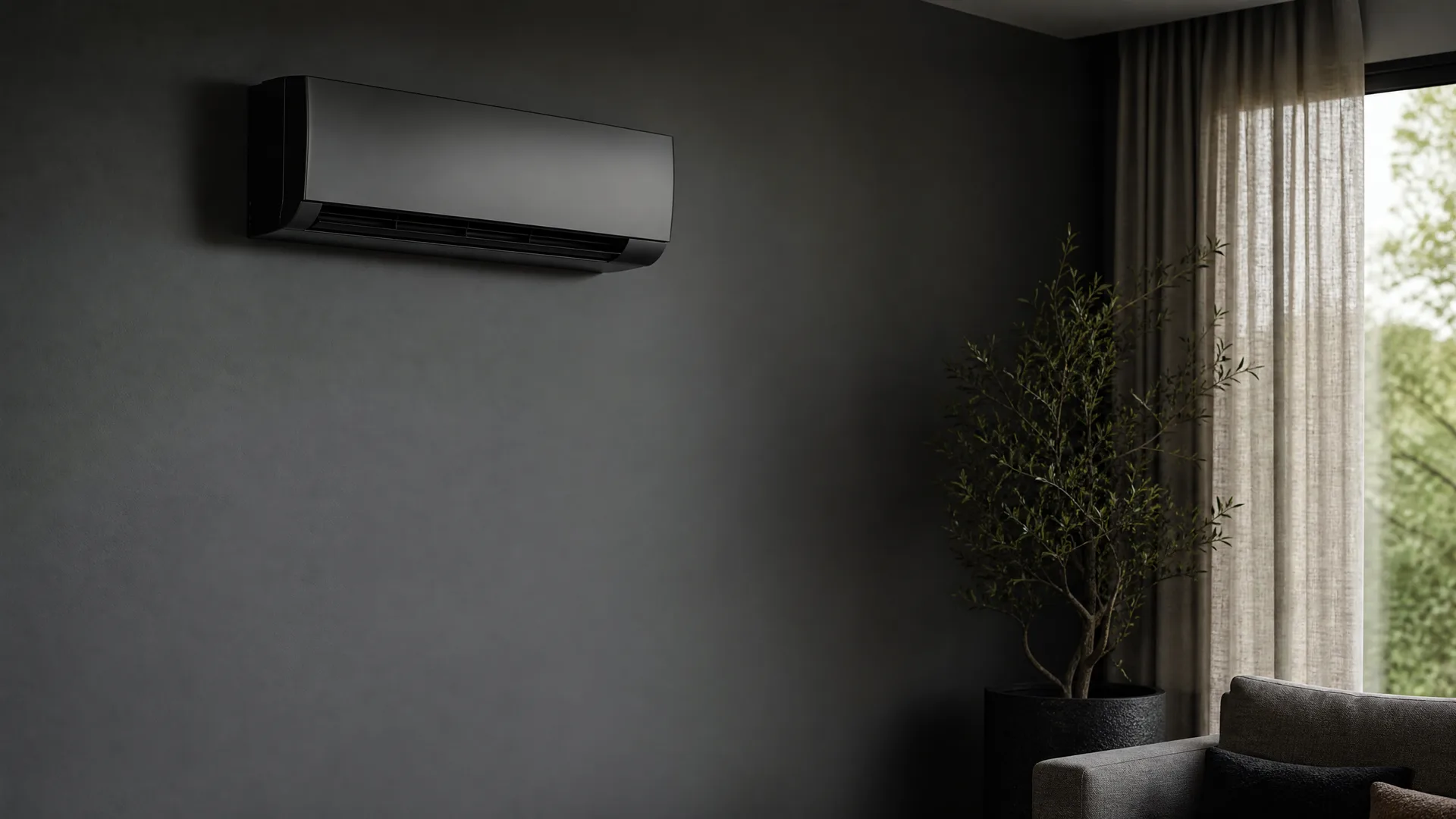
A dark wall-mounted mini-split air conditioner on a gray interior wall, with a potted olive-like tree, sheer curtains over a window showing green foliage, and a gray sofa in the lower right corner.

Matched to your mini split job

After you send the request, you're done searching.

Step 1 of 3: Equipment