Tell us about the job
Takes about a minute. No obligation.
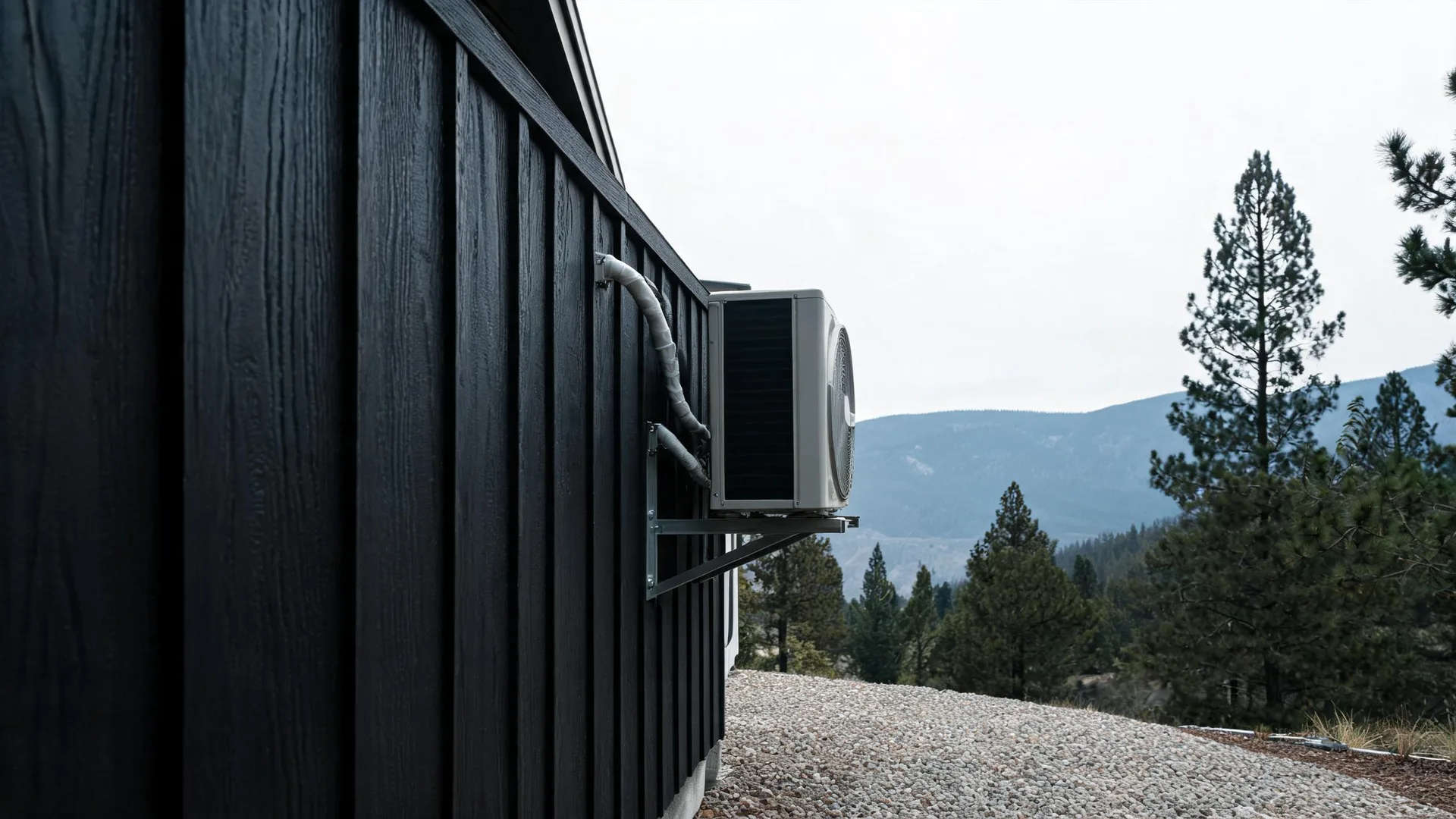
A contractor sizing a mini-split here has to get the load calculation right before anything else, because the compressor and condenser fan have almost no room to underperform. Homes in Big Horn County, WY run cooling in a single month of the year, July. That compressed workload means the system cycles hard and then sits idle. A unit that is undersized will show strain in the refrigerant circuit and the contactor before a more evenly run system would. Contractors price and spec accordingly, weighting first-season reliability over upfront savings on the outdoor unit.
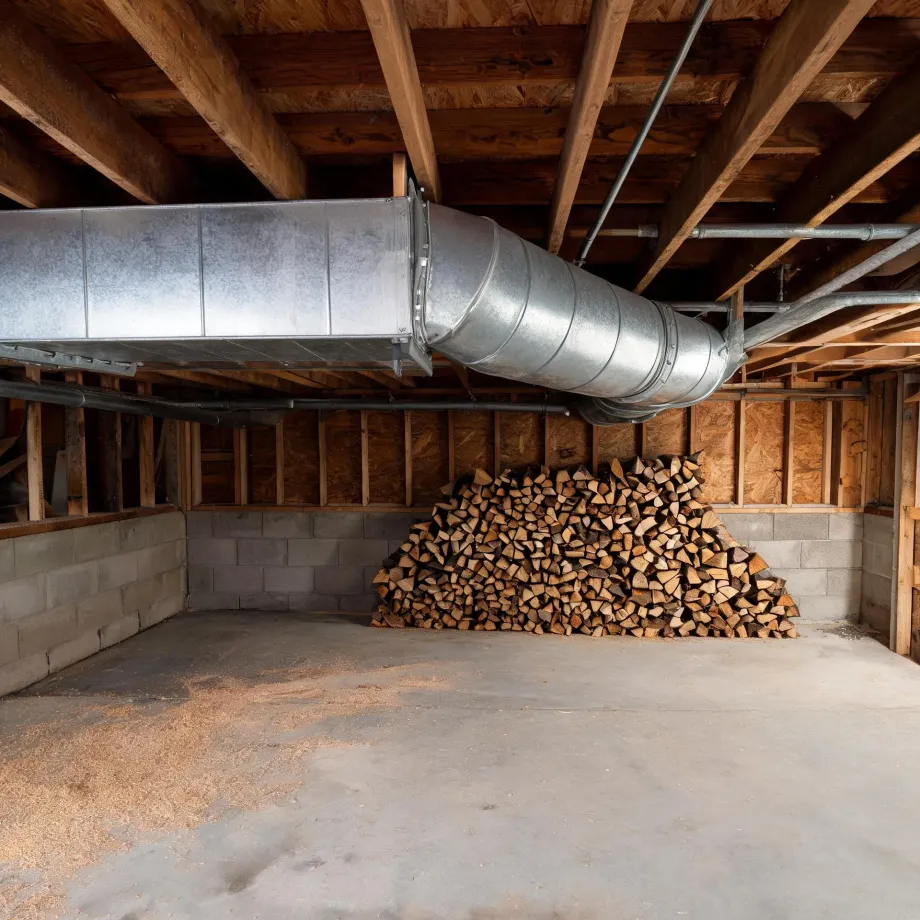
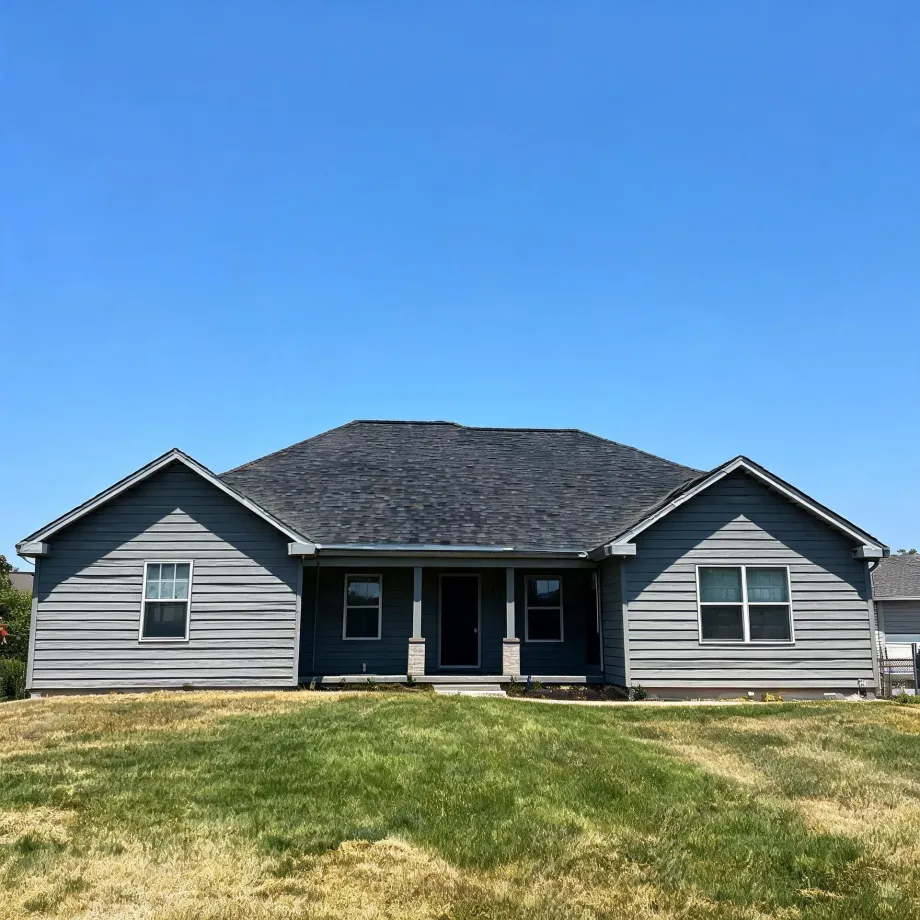
Ductwork is beside the point for a mini-split, but the electrical is not. Half the homes in Big Horn County, Wyoming were built in 1968 or earlier (2020-2024 ACS 5-year). Houses built by that year were wired for loads that looked nothing like a modern mini-split's demands, and service panels in that stock were sized accordingly. A contractor quoting an installation here measures what the panel actually carries before settling on equipment, because the panel decides whether the job is straightforward or whether it carries an upgrade alongside it.
What a Mini-split System Looks Like as a Whole

The indoor air handler mounts high on a wall inside the room and delivers conditioned air directly to that space. Outside the house, the outdoor compressor unit sits on a pad or bracket and houses the components that drive the whole system. Each indoor unit serves the zone it is paired with.
A refrigerant line set runs through a small opening in the wall to connect the indoor and outdoor units, carrying the working fluid between them. A condensate drain line runs alongside it, moving moisture away from the indoor unit. The outdoor unit also connects to a dedicated electrical circuit at a disconnect box mounted nearby.
The drawing shows a representative layout, and a licensed contractor determines exactly how the system is configured for a specific house.
Find a contractor in Big Horn CountyBig Horn County, by the numbers
97 severe weather events were recorded in Big Horn County, Wyoming between 2015 and 2024.
NOAA National Centers for Environmental Information, Storm Events Database, bulk CSV export, events 2015-01-01 through 2024-12-31.Half the homes in Big Horn County, Wyoming were built in 1968 or earlier (2020-2024 ACS 5-year).
U.S. Census Bureau, 2020-2024 American Community Survey 5-Year EstimatesBig Horn County, Wyoming holds 5,372 housing units (2020-2024 ACS 5-year).
U.S. Census Bureau, 2020-2024 American Community Survey 5-Year EstimatesOwners occupy 75.9% of the occupied homes in Big Horn County, Wyoming (2020-2024 ACS 5-year).
U.S. Census Bureau, 2020-2024 American Community Survey 5-Year EstimatesSevere Weather Events in Big Horn County, Year by Year
Big Horn County's climate puts real demand on heating and cooling equipment, and that demand shapes which systems hold up and how they are sized. A mini-split installation here is a local decision, and local weather history is part of the picture.
97 severe weather events, 2015–2024. Source: NOAA National Centers for Environmental Information, Storm Events Database.