Tell us about the job
Takes about a minute. No obligation.
A contractor sizing a mini-split here has to get the load calculation right the first time. Homes in Converse County, WY run cooling in a single month of the year, July. The compressor runs hard through that single window, and a unit that is undersized or charged incorrectly will show its failure on the hottest day of the year, which is the same day every neighbor's system is also working at its limit. Contractors who service this area factor in the short season when commissioning: refrigerant charge, coil clearance, and electrical connections all need to be dialed in before July, because there is no shoulder month to catch a slow problem.
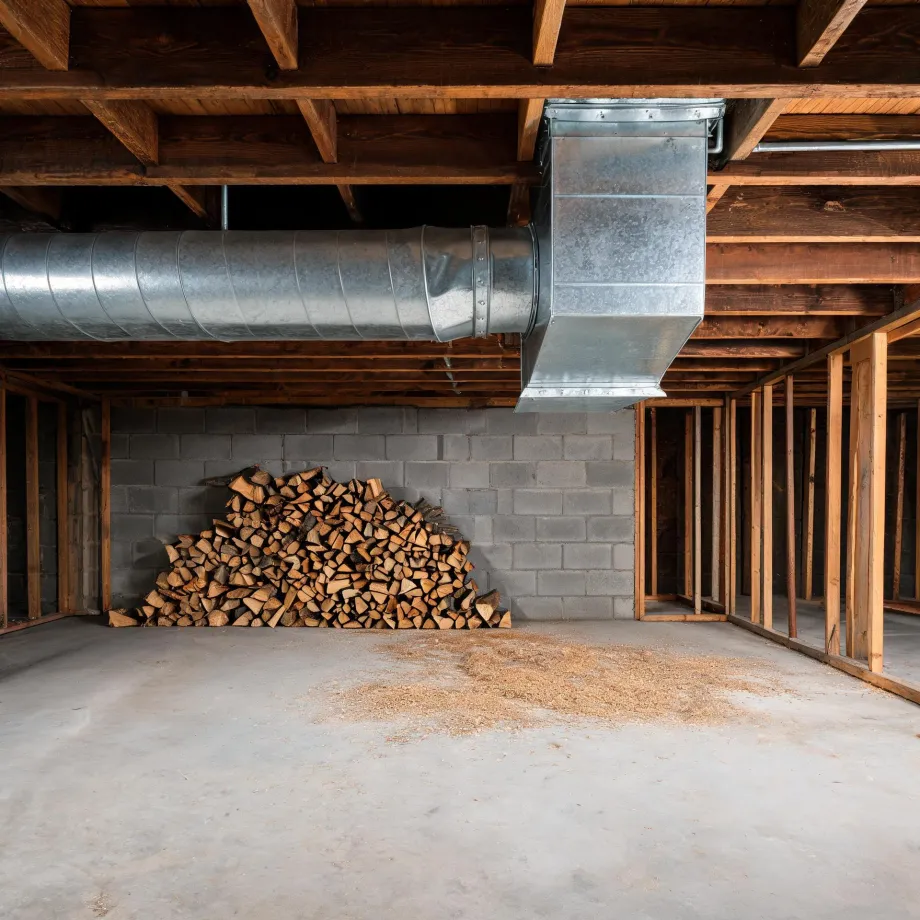
Electrical service is where a mini-split installation in Converse County gets decided. Half the homes in Converse County, Wyoming were built in 1978 or earlier (2020-2024 ACS 5-year). Panels in houses that old were sized for appliances that drew far less than a modern unit expects, and a contractor opening that panel is looking at whether it can carry the new load without an upgrade. If it cannot, the electrical work moves to the front of the scope.
What a Mini-split Covers in Your Home
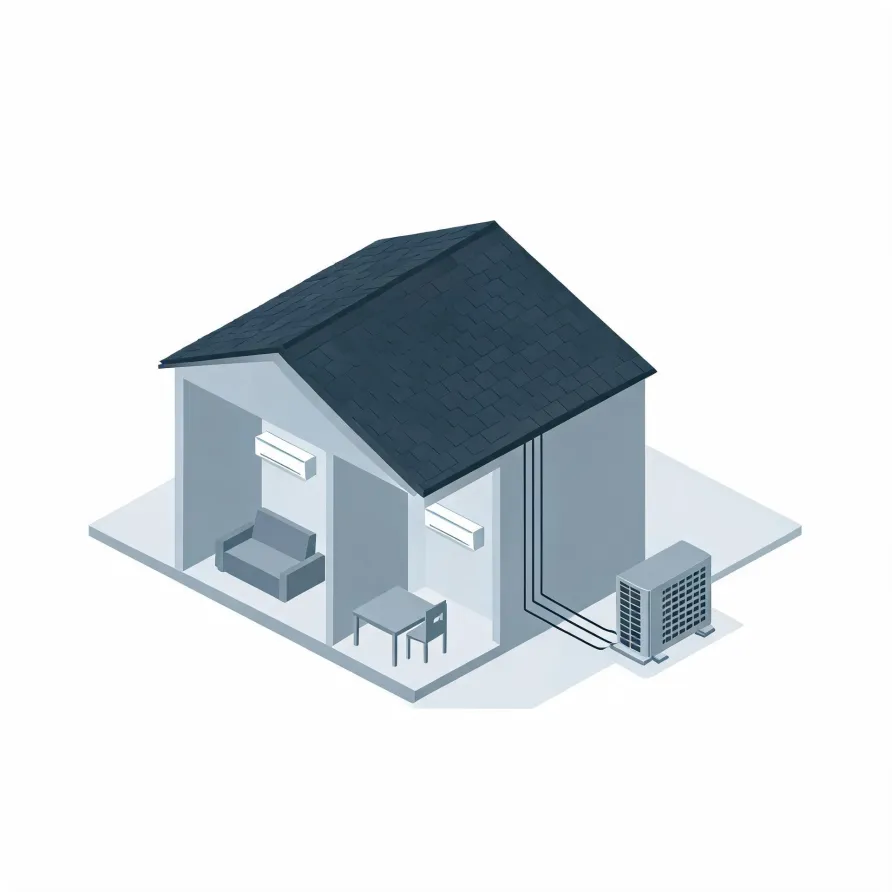
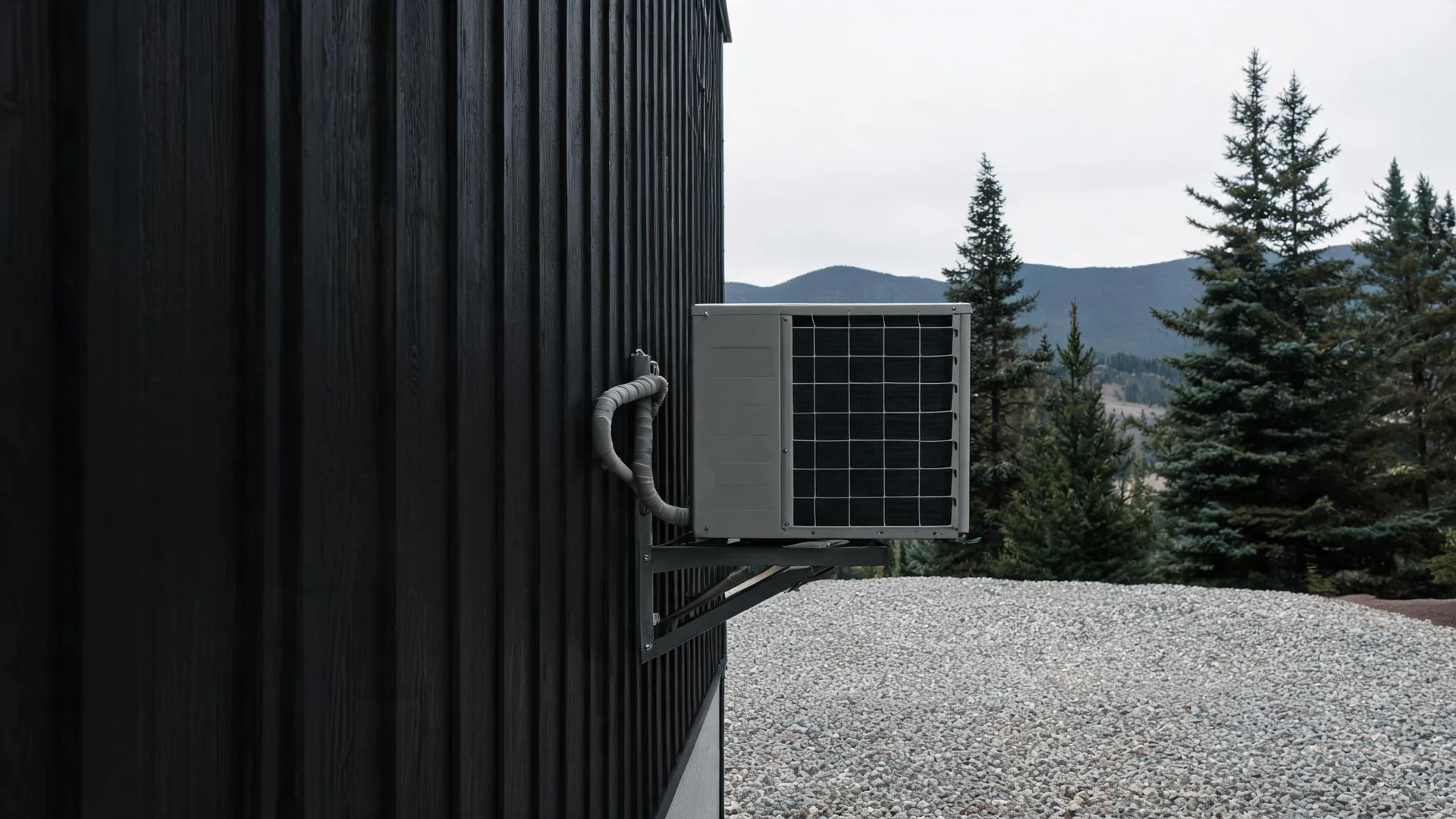
The indoor air handler mounts high on an interior wall in the room being served, pushing conditioned air directly into that space. The outdoor unit sits on the ground or on a wall bracket outside the house and holds the compressor and condenser coil, which do the heavy mechanical work of the system.
A refrigerant line set runs through a small hole in the wall to connect the two units, bundled alongside a condensate drain line that carries moisture away from the indoor handler. A wall-mounted thermostat or wired controller gives the occupant direct control over each zone.
The drawing shows a typical layout, and a licensed contractor determines what fits the specific conditions of your house.
Find a contractor in Converse CountyConverse County, by the numbers
321 severe weather events were recorded in Converse County, Wyoming between 2015 and 2024.
NOAA National Centers for Environmental Information, Storm Events Database, bulk CSV export, events 2015-01-01 through 2024-12-31.Half the homes in Converse County, Wyoming were built in 1978 or earlier (2020-2024 ACS 5-year).
U.S. Census Bureau, 2020-2024 American Community Survey 5-Year EstimatesConverse County, Wyoming holds 6,646 housing units (2020-2024 ACS 5-year).
U.S. Census Bureau, 2020-2024 American Community Survey 5-Year EstimatesOwners occupy 77.3% of the occupied homes in Converse County, Wyoming (2020-2024 ACS 5-year).
U.S. Census Bureau, 2020-2024 American Community Survey 5-Year EstimatesSevere Weather Events in Converse County
Wyoming's climate puts real demands on heating and cooling equipment, and Converse County gets its share of what the sky delivers. How hard local weather pushes a system shapes what gets installed, how it is sized, and how long it holds up.
321 severe weather events, 2015–2024. Source: NOAA National Centers for Environmental Information, Storm Events Database.